-
Scoliosis
Scoliosis
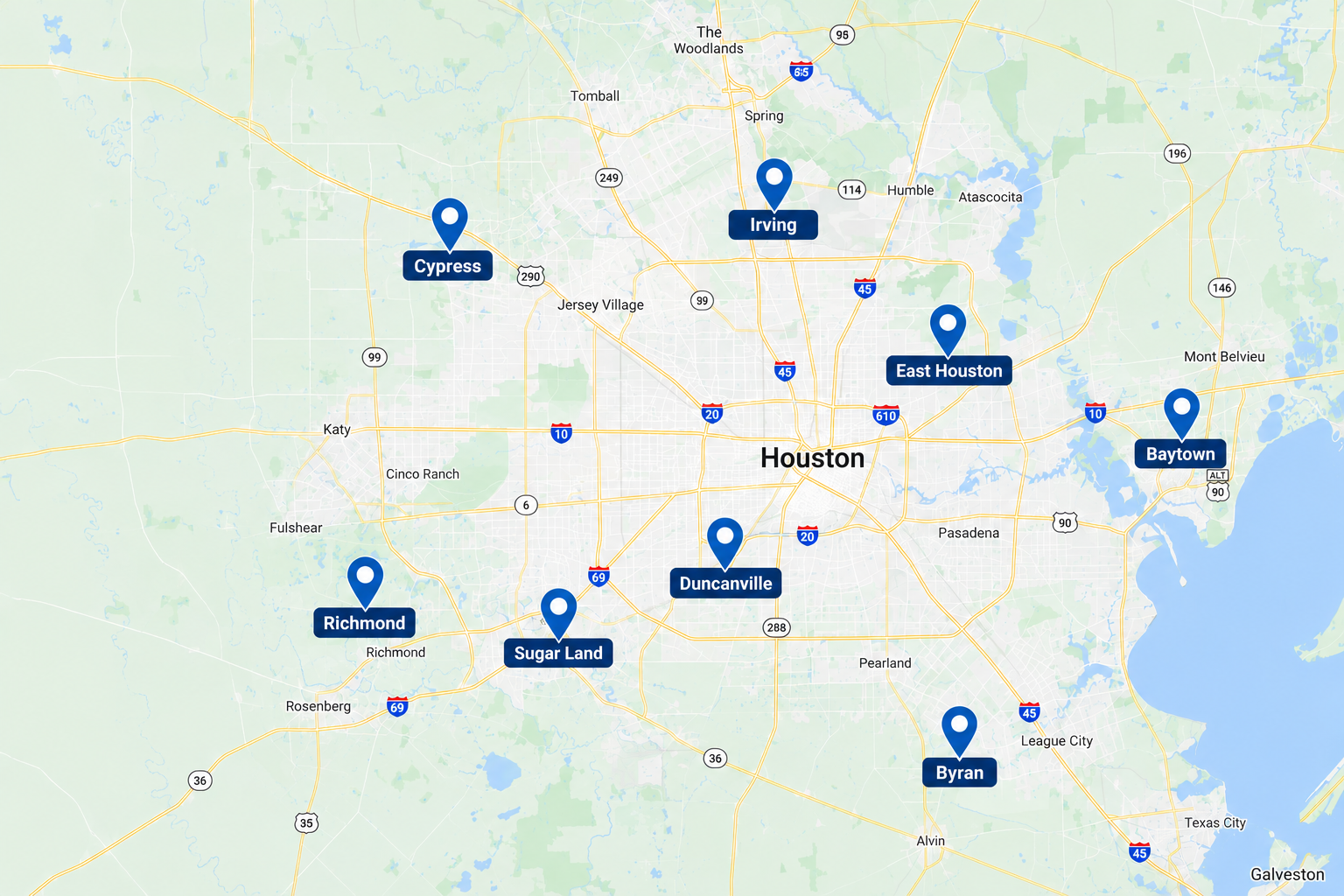
Pain, stiffness, an injury that won’t heal — if it’s keeping you from moving normally, we likely treat it. Here are the conditions we see most across our 8 Texas clinics. No referral needed to start.
Scoliosis, a condition characterized by an abnormal lateral curvature of the spine, affects millions of people worldwide. While it can occur at any age, it most commonly appears during the growth spurt just before puberty. The severity of scoliosis varies, with some individuals experiencing mild symptoms and others facing significant physical and functional challenges. Physical therapy (PT) is a cornerstone in the non-surgical management of scoliosis, providing tailored interventions to improve posture, enhance mobility, and reduce discomfort.
What is Scoliosis?
Common Symptoms
Uneven shoulders or hips
Prominent ribs or shoulder blades
Asymmetrical waistline
Back pain
Fatigue due to muscle strain
THE ROLE OF PHYSICAL THERAPY
Physical therapy plays a crucial role in managing scoliosis, particularly for individuals with mild to moderate curves. PT aims to.
Improve Posture: Through specific exercises and manual therapy, physical therapists help patients develop better postural awareness and alignment.
Enhance Mobility: Targeted stretches and mobilizations improve spinal flexibility and reduce stiffness..
Strengthen Muscles: Strengthening exercises, especially for the core and back muscles, support the spine and reduce the risk of curve progression.
Alleviate Pain: Pain management techniques, including modalities such as heat, cold, ultrasound, and electrical stimulation, can provide relief from discomfort.
Educate Patients: Education on body mechanics and ergonomics helps patients integrate healthy habits into their daily lives.
Key Physical Therapy Interventions
Schroth Method: This specialized approach involves customized exercises designed to elongate and de-rotate the spine, thereby reducing the curvature and improving overall posture. The exercises are tailored to each individual's specific spinal curvature.
Functional Training: Incorporating functional exercises that mimic daily activities helps patients strengthen their muscles in a practical and meaningful way. This includes tasks like lifting, bending, and reaching, ensuring that patients can move efficiently and safely.
Manual Therapy: Hands-on techniques, such as spinal mobilization and soft tissue massage, can alleviate muscle tension, improve range of motion, and enhance spinal alignment.
Breathing Exercises: Proper breathing techniques are essential in managing scoliosis, as they promote better lung function and support spinal elongation. Diaphragmatic breathing, in particular, is emphasized to improve rib cage mobility.
Bracing and Support: For some patients, especially those with moderate scoliosis, a brace may be recommended. Physical therapists work closely with orthotists to ensure proper fit and comfort, and they provide exercises to maintain strength and flexibility while wearing the brace.