-
Scapular Dyskinesia
Scapular Dyskinesia
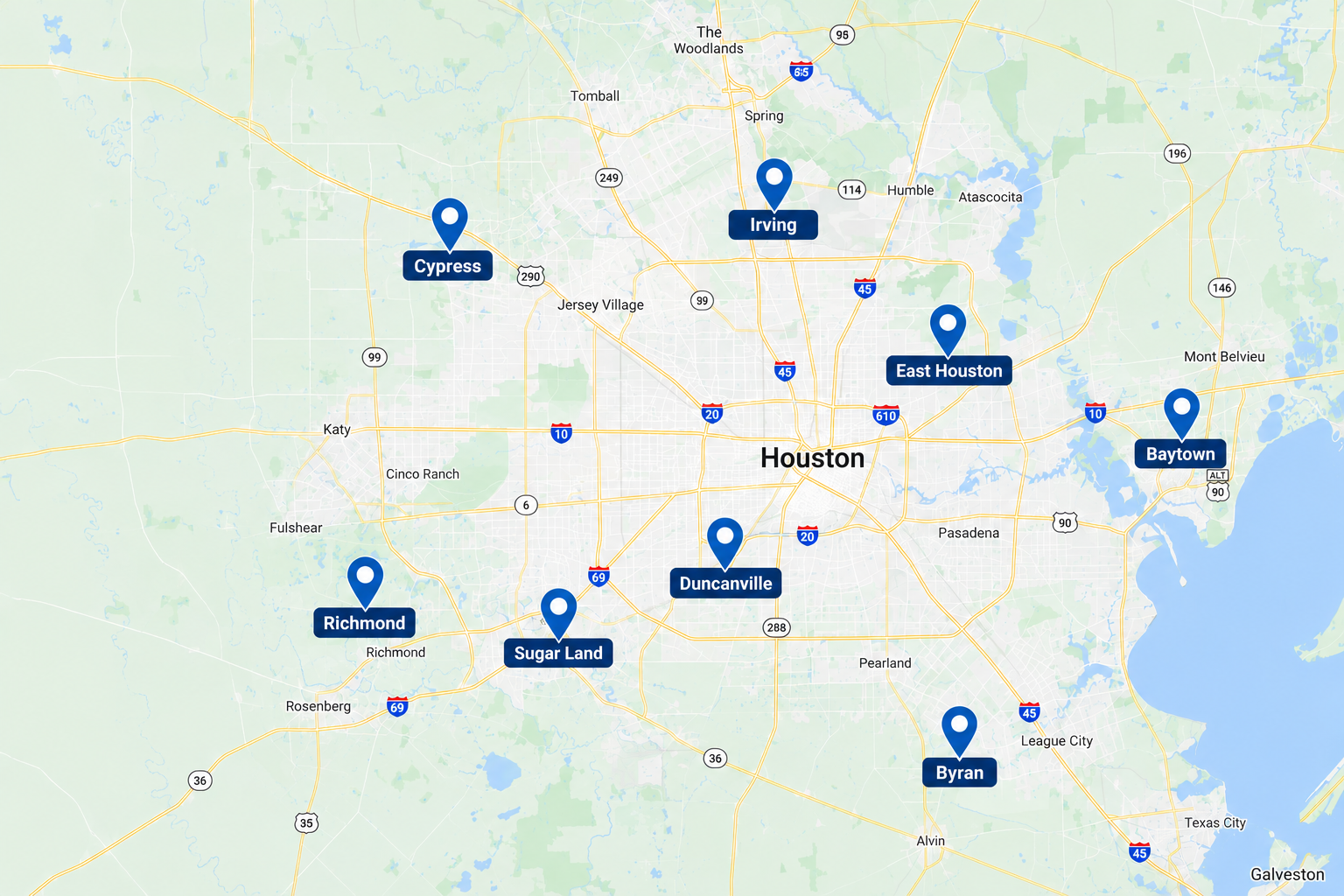
Pain, stiffness, an injury that won’t heal — if it’s keeping you from moving normally, we likely treat it. Here are the conditions we see most across our 8 Texas clinics. No referral needed to start.
CAUSES
Alteration in periscapular muscle activation or coordination is the most common cause.
Altered scapular motion patterns reduce the acromiohumeral distance, decrease rotator cuff strength, and increase impingement symptoms.
More prone in overhead athletes or patients having rotator cuff muscles pathology, impingement syndrome, labral teras, and glenohumeral instability.
Shoulder-related: shoulder instability, clavicle fractures, rotator cuff injuries, joint instability, glenoid labrum injuries. Tightness in biceps (short head) and pectoralis minor, and glenohumeral capsule.
Neck-related: nerve compression or disc bulge in cervical spine and mechanical neck pain because of desk jobs.
Posture-related: increased cervical lordosis and thoracic kyphosis, seen in sitting jobs or students.
SIGNS AND SYMPTOMS
Anterior shoulder pain
Posterosuperior scapular pain may radiate into the same side para spinous cervical region.
Superior shoulder pain.
Proximal lateral arm pain.
THE ROLE OF PHYSICAL THERAPY
Pain management: Modalities and exercises are used together to reduce inflammation and increase blood circulation, which in turn works on pain reduction.
Joint mobility: Closed and open kinetic chain exercises to improve stability and joint position sense.
Strengthening program: Strengthening of selective muscles around the joint helps in better loading with the shoulder movements.
Prevent further progression: Education of the condition along with dos and don’ts helps prevent the flare ups or progression.
REHABILITATION
Pain management: Modalities like heat therapy, ultrasound, and electrical stimulation will reduce pain and inflammation.
Corrective Stretching exercises: Improving muscle length tension relationship of pectoralis minor, external rotators and joint capsule
Joint stability exercises: facilitates muscular function by controlling the length-tension relationship of the scapular muscles, exercises like: scapular push ups, lawnmower exercise, and resisted scapular retraction will improve the SD
Strengthening exercises: Strengthening of lower and middle trapezius and serratus anterior will help to reduce dyskinesia.
Manual therapy: Soft tissue manipulation, and PNF approaches help with pain and range.
Other interventions: Kinesiology tape is also used to balance the dyskinesia and to provide support and reduce pain.