The vestibular system is a sophisticated network within the inner ear and brain that helps us maintain balance and understand where we are in space. When this system is disrupted, it can cause a range of distressing symptoms, including dizziness, vertigo, imbalance, and visual disturbances. These symptoms can make even routine tasks challenging, dramatically affecting one’s quality of life.
Fortunately, effective relief is possible through vestibular rehabilitation therapy (VRT) in Houston. This blog outlines the essential steps of the vestibular rehabilitation process and the transformative impact it can have on individuals seeking vestibular rehab treatment in Houston.
Understanding Vestibular Disorders
Before exploring the rehab process, it’s important to understand what vestibular disorders are and how they develop. These conditions may arise from various causes—inner ear infections, head injuries, neurological disorders, or even age-related changes.
Common symptoms include:
- Vertigo: A spinning sensation, either of oneself or the surroundings.
- Dizziness: Lightheadedness or unsteadiness, often accompanied by nausea.
- Balance Difficulties: Frequent stumbling or increased risk of falls.
- Nystagmus: Rapid, involuntary eye movements triggered by head position changes.
Living with these symptoms can be overwhelming, which is why timely evaluation and treatment are essential.
The Seven Steps of Vestibular Disorder Recovery at Advance Physical Therapy
At Advance Physical Therapy, vestibular rehabilitation follows a structured, personalized, seven-step approach that helps patients regain balance and return to daily activities with confidence.
Step 1: Comprehensive Diagnosis and Assessment
Recovery begins with a thorough evaluation to determine the exact cause and nature of the vestibular disorder. The specialists at Advance Physical Therapy use advanced assessment tools to accurately diagnose conditions such as BPPV, vestibular neuritis, Ménière’s disease, post-concussion vestibular dysfunction, and more.
Step 2: Personalized Treatment Plan
Vestibular rehabilitation is not a standardized protocol; every patient presents with unique symptoms and needs. After diagnosis, a customized treatment plan is created, which may include:
- Targeted vestibular exercises
- Dietary recommendations (e.g., low-sodium diet for Ménière’s disease)
- Lifestyle modifications
- Education on symptom management
Each plan is designed to address the patient’s specific deficits and functional goals.
Step 3: Targeted Physical Therapy and Exercises
At the core of Vestibular Rehabilitation Therapy in Houston are specialized exercises that retrain the brain and vestibular system. Under the guidance of trained physical therapists, patients perform exercises such as:
- Gaze Stabilization: Improves eye control and reduces dizziness during head movement.
- Balance Training: Includes challenging postures, uneven surfaces, and dynamic tasks to enhance stability.
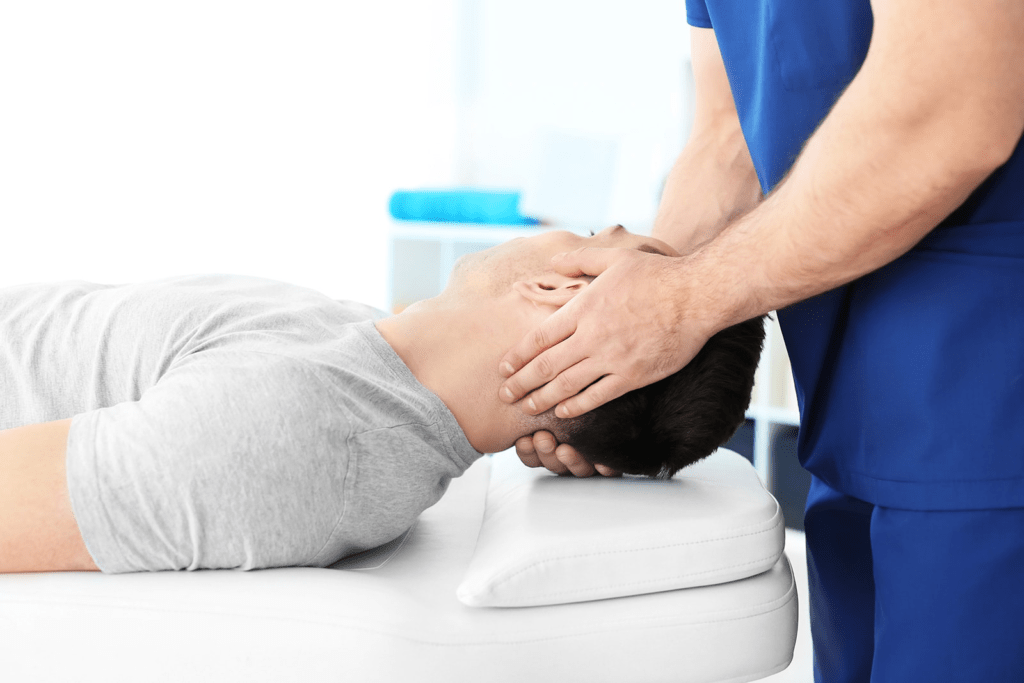
- Canalith Repositioning Maneuvers: Highly effective techniques for treating BPPV by relocating displaced inner ear crystals.
- Habituation Exercises: Gradually expose the vestibular system to provoking movements, reducing sensitivity over time.
These exercises form the foundation of successful vestibular rehabilitation
Step 4: Ongoing Progress Monitoring
Recovery is gradual, and symptoms may change over time. Regular follow-up appointments allow therapists to monitor progress and adjust treatment plans to ensure maximum effectiveness. This stage is vital for sustaining consistent improvement.
Step 5: Lifestyle and Daily Routine Modifications
Rehabilitation extends beyond the clinic. Patients often benefit from:
- Stress management strategies
- Improved sleep habits
- Hydration and dietary changes
- Avoiding environmental triggers
- Ergonomic or activity adjustments
These modifications support the healing process and help reduce symptom flare-ups.
Step 6: Home Exercises and Self-Care
To reinforce progress, patients receive a personalized home exercise program. Consistent practice is crucial for long-term improvement, as it strengthens the vestibular system and enhances neurological adaptation.
Step 7: Long-Term Management and Support
Many vestibular disorders can be chronic, requiring periodic maintenance. Advance Physical Therapy provides ongoing support, follow-up evaluations, and adjustments to treatment plans to ensure lasting results and continued stability.
Conclusion
Vestibular Rehabilitation in Houston offers a pathway to renewed balance, reduced dizziness, and improved quality of life. Through comprehensive diagnosis, personalized treatment, targeted exercises, and continuous support, patients can experience meaningful and lasting recovery.
If you or a loved one is struggling with dizziness, vertigo, or balance issues, don’t wait. Vestibular rehabilitation at Advance Physical Therapy can help you regain control and move confidently toward a more stable, active future.