Dry Needling vs Acupuncture for Back Pain: Which One Actually Works Faster?
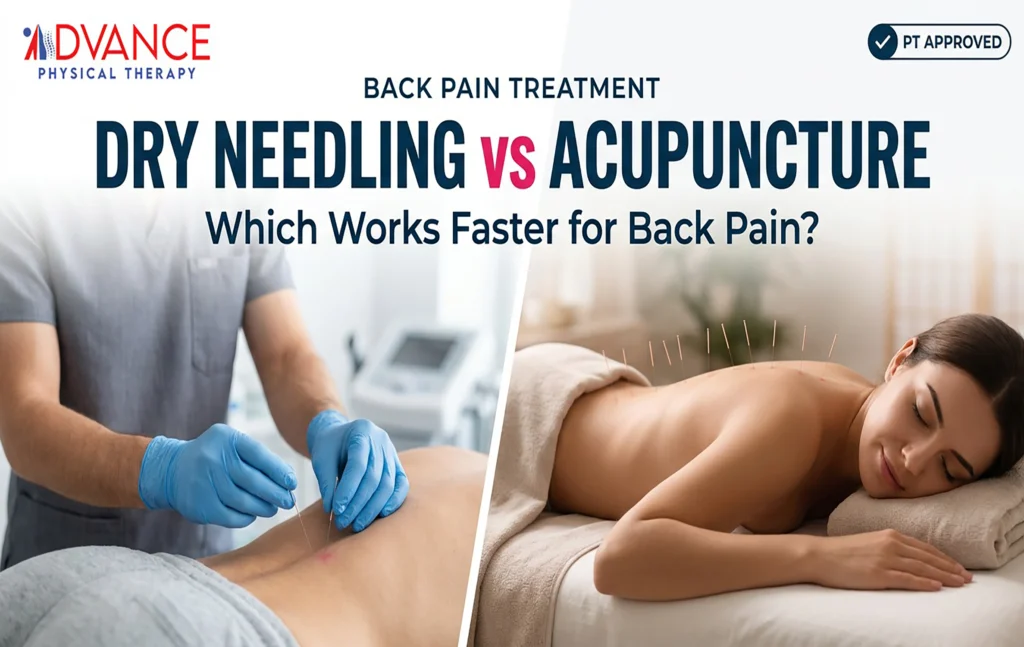
Back pain has a way of making you try anything. And at some point, someone probably suggested either acupuncture or dry needling — or maybe both. Both use thin needles. Both are known to relieve pain. But if you’re dealing with a bad back right now, you don’t have time for a slow fix. So the real question is: between dry needling vs acupuncture, which one actually gets you out of pain faster? In this article, we’ll break down exactly how each treatment works, compare the evidence, and give you a straight answer — based on the type of back pain you have. No fluff, no vague “it depends.” Just clear, useful information from the physical therapists at Advance Physical Therapy. Quick Answer: For muscle-related or acute back pain, dry needling therapy typically produces faster relief (often within 1–3 sessions). For chronic, systemic, or stress-driven back pain, acupuncture can be equally effective — or better. Read on for the full breakdown. What Is Dry Needling? Dry needling is a modern physical therapy technique based on Western anatomy and neuroscience. A licensed physical therapist inserts a thin, sterile filament needle directly into a muscle trigger point — those tight, painful knots you can feel in your lower back or shoulders. The moment the needle reaches the trigger point, it provokes a brief involuntary muscle twitch. That twitch is actually a good sign — it means the muscle is releasing its tension. Blood flow increases to the area, inflammation begins to resolve, and your body kicks into healing mode. If you’re searching for dry needling near me, it’s worth knowing that dry needling treatment is typically performed by physical therapists — not acupuncturists — and is rooted in evidence-based medicine, not traditional Eastern philosophy. Dry needling therapy works especially well for: Lower back muscle knots and myofascial trigger point pain Acute back strains from lifting, sports, or sudden movements Upper and lower back stiffness from prolonged sitting or poor posture Sciatica pain with a muscular component Sports injuries and post-activity soreness What Is Acupuncture? Acupuncture is a 2,500-year-old healing practice from Traditional Chinese Medicine (TCM). Needles are placed at specific points along energy pathways called meridians to restore the flow of Qi — the body’s vital energy. From a modern scientific standpoint, acupuncture stimulates nerve endings, triggers the release of natural pain-relieving chemicals (endorphins), and can reduce systemic inflammation. Whether you subscribe to TCM philosophy or not, the physiological effects are well-documented. Sessions tend to be longer and more meditative — needles are typically retained for 20 to 45 minutes, and the treatment addresses the whole body, not just the site of pain. Acupuncture works best for: Chronic lower back pain that has persisted for months or years Back pain linked to stress, anxiety, or poor sleep Systemic inflammation and nerve-related pain Patients looking for a holistic, whole-body approach Conditions involving multiple body systems alongside back pain Dry Needling vs Acupuncture: The Key Differences At first glance, acupuncture vs dry needling looks identical — same thin needles, same general idea. But the differences go much deeper than the surface. Here’s how they compare across the factors that matter most: Factor Dry Needling Acupuncture Origin Western Medicine (1940s) Traditional Chinese Medicine (2,500+ yrs) Basis Anatomy & neurophysiology Energy meridians (Qi) Performed by Licensed Physical Therapist Licensed Acupuncturist Target Muscle trigger points / knots Meridian points across the body Session length 15–30 minutes 45–60 minutes Speed of relief Often 1–3 sessions ✓ Usually 4–8 sessions Best for Acute muscle pain, sports injuries Chronic pain, stress-related issues Insurance Usually covered via PT plan Varies by plan The most important distinction? Dry needling targets specific muscle trigger points using anatomy-based precision. Acupuncture targets energy points along meridians to influence the body’s overall balance. Same tool. Completely different map. Which Works Faster for Back Pain? (Honest Answer by Pain Type) This is the question everyone actually wants answered. And the honest truth is — the faster treatment depends entirely on what’s causing your back pain. Here’s a clear breakdown: Back Pain Type Dry Needling Acupuncture Muscle knot / Trigger point pain 1–2 sessions 3–5 sessions Post-workout / sports injury 1 session (very fast) 3–4 sessions Acute lower back strain 2–4 sessions 4–6 sessions Sciatica with muscle involvement 3–5 sessions 5–8 sessions Chronic back pain (6+ months) 3–6 sessions Equally good, holistic Stress-related back tension Helps the muscle component Better overall approach The Pattern: Dry needling treatment vs acupuncture shows a consistent speed advantage when the cause is muscular. That’s because dry needling goes directly to the source — the tight, overloaded muscle — and releases it mechanically. Acupuncture works at a broader neurological level, which takes more time to accumulate. Why Does Dry Needling Work Faster for Most Back Pain? Most back pain — whether it’s from sitting at a desk all day, a weekend workout gone wrong, or years of poor posture — has a significant muscular component. That tight, achy lower back you feel? Chances are there are trigger points in your lumbar muscles that are holding that tension. Dry needle therapy goes directly to those points. The needle causes an immediate twitch response that resets the muscle’s resting tension, increases blood flow, and accelerates recovery. Many patients notice a significant difference within 24–48 hours of their first session. Acupuncture, by contrast, works by stimulating the nervous system globally. It’s an accumulative process — each session builds on the last. For chronic conditions, this is actually a strength. But for an acute back muscle problem, you’re waiting longer for results that dry needling can often deliver in one or two visits. What Does the Research Say? Evidence for Dry Needling A 2023 umbrella review covering 36 systematic studies confirmed that dry needle vs acupuncture research consistently shows dry needling outperforming no treatment
Dry Needling Therapy in Houston: A Complete Guide to Pain Relief and Faster Recovery
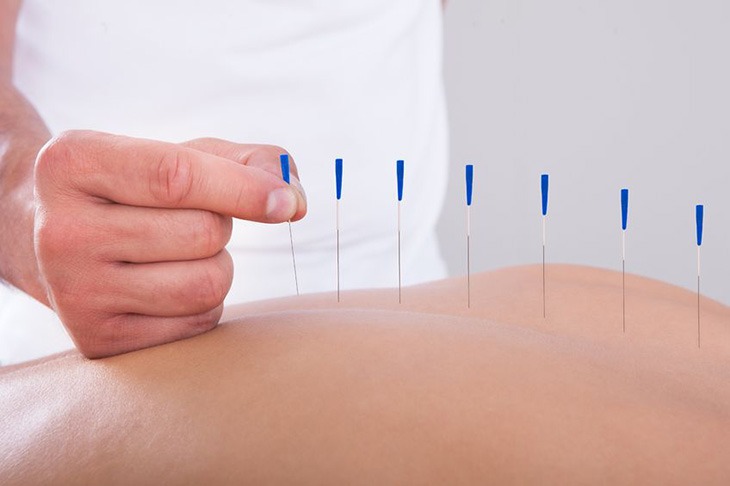
Muscle pain, tension, and limited mobility can significantly disrupt your daily routine, athletic performance, and overall quality of life. For many people, traditional physical therapy alone may not always provide an immediate solution—especially when deep muscular trigger points are involved. That’s where dry needling therapy in Houston becomes an effective and modern approach to pain management and healing. At Advance Physical Therapy, we proudly offer this innovative technique to help patients experience quicker relief, improved mobility, and long-term recovery. Whether you’re dealing with chronic pain, sports injuries, post-surgical tightness, or daily muscular stress, dry needling Houston is becoming one of the most trusted treatments recommended by physical therapists across the city. In this detailed guide, we’ll explain what dry needling is, how it works, who can benefit from it, and why Advance Physical Therapy is one of the leading providers of dry needling treatment Houston. What Is Dry Needling Therapy? Dry needling is a specialized physical therapy technique that uses thin, sterile needles to target trigger points—tight bands of muscle fibers that can cause pain, stiffness, and restricted movement. Despite misconceptions, dry needling is not the same as acupuncture. While acupuncture is based on traditional Chinese medicine, dry needling is rooted in Western anatomical and neurophysiological science. During Dry Needling Therapy in Houston, a licensed physical therapist inserts fine needles into dysfunctional muscle tissue. This helps release tightness, stimulate healing, improve blood flow, and reset muscle function. Many patients experience immediate relief after their first session. How Does Dry Needling Work? Dry needling works by stimulating trigger points and neuromuscular junctions to create a “therapeutic twitch response.” When this response occurs, the muscle involuntarily contracts and then relaxes, reducing tension and restoring proper function. Some key benefits include: Reduced muscle pain and soreness Release of tight or knotted muscles Improved range of motion Better circulation and healing Decreased nerve irritation Enhanced muscle activation for athletes At Advance Physical Therapy, our clinicians use dry needling as part of a comprehensive treatment plan, ensuring patients get the most effective and safest Dry Needling Treatment Houston has to offer. Conditions Treated With Dry Needling Dry needling is highly versatile and beneficial for a wide range of musculoskeletal conditions. Whether your pain is acute, chronic, injury-related, or stress-induced, our Dry Needling Service Houston can address issues such as: Chronic Muscle Pain Dry needling helps break chronic pain cycles by targeting deep muscle tension that traditional therapy cannot reach. Sports Injuries Athletes who struggle with hamstring strains, IT band tightness, rotator cuff pain, or calf strains benefit greatly from Houston Dry Needling. Neck and Back Pain Trigger points in the shoulders, upper traps, and lower back often cause stiffness and shooting pain. Dry needling provides fast relief. Headaches and Migraines Muscle tension in the neck, jaw, and upper back can contribute to headaches. Dry needling releases these tension points. Post-Surgical Stiffness After surgery, muscles may become tight or inhibited. Dry needling improves movement and accelerates recovery. Joint Pain Pain originating from muscular imbalances around joints like the hip, knee, or shoulder is commonly treated with dry needling. Sciatica and Nerve Pain Dry needling can calm irritated nerves by releasing pressure caused by tight muscles. If you’re wondering whether your condition qualifies for Dry Needling Therapy in Houston, our therapists at Advance Physical Therapy will evaluate your symptoms and create a personalized treatment plan. What to Expect During Your Dry Needling Session Knowing what to expect can help you feel more comfortable during your first Dry Needling Houston session. At Advance Physical Therapy, your therapist will begin with a thorough evaluation to identify the root cause of your pain. Once the target areas are identified, you can expect the following steps: Preparation The skin is cleaned, and sterile, single-use needles are prepared. Needle Insertion The therapist gently inserts a very thin needle into the trigger point. You may feel slight pressure or a mild twitch. Therapeutic Response Patients often experience: A dull ache A brief muscle twitch A sensation of muscle releasing These are normal and indicate that the treatment is working. Post-Treatment Care Some soreness may occur for 24–48 hours, similar to a deep workout. Applying heat, staying hydrated, and gentle stretching can reduce discomfort. Your therapist will then follow up with strengthening exercises, manual therapy, or mobility work to ensure long-lasting results. Why Choose Dry Needling Treatment Houston at Advance Physical Therapy? With many clinics offering Dry Needling Therapy in Houston, you may wonder what sets Advance Physical Therapy apart. Here are some reasons patients consistently trust us for pain relief and recovery: Licensed, Highly Trained Therapists Our physical therapists are certified and experienced in advanced dry needling techniques, ensuring you receive safe and effective care. Personalized Treatment Plans Dry needling is never a one-size-fits-all solution. We combine it with manual therapy, corrective exercise, mobility training, and rehabilitation strategies tailored specifically to your needs. State-of-the-Art Facility Our Houston clinic is equipped with modern tools, private treatment rooms, and a welcoming environment designed for optimal healing. Whole-Body Approach We don’t just treat symptoms—we identify dysfunctions, movement limitations, and muscular imbalances to prevent future pain and improve overall mobility. Proven Results Patients often experience noticeable improvement after just one or two Houston Dry Needling sessions. Over time, dry needling helps restore full function, allowing you to return to work, sports, and daily life with confidence. Is Dry Needling Safe? Absolutely. When performed by trained professionals like the team at Advance Physical Therapy, dry needling is a safe, minimally invasive treatment option. Side effects are usually mild and temporary. Common side effects include: Soreness Mild bruising Temporary fatigue Severe complications are extremely rare, especially when the procedure is done by a licensed practitioner. If you have concerns, your therapist will guide you through safety protocols, contraindications, and recommended aftercare. How Many Sessions Will I Need? The number of sessions required varies based on: Severity of symptoms Chronicity of pain Your overall movement patterns Your response to treatment Some patients find relief after 1–2 sessions, while others
How Houston Dry Needling Helps Persistent Pain?
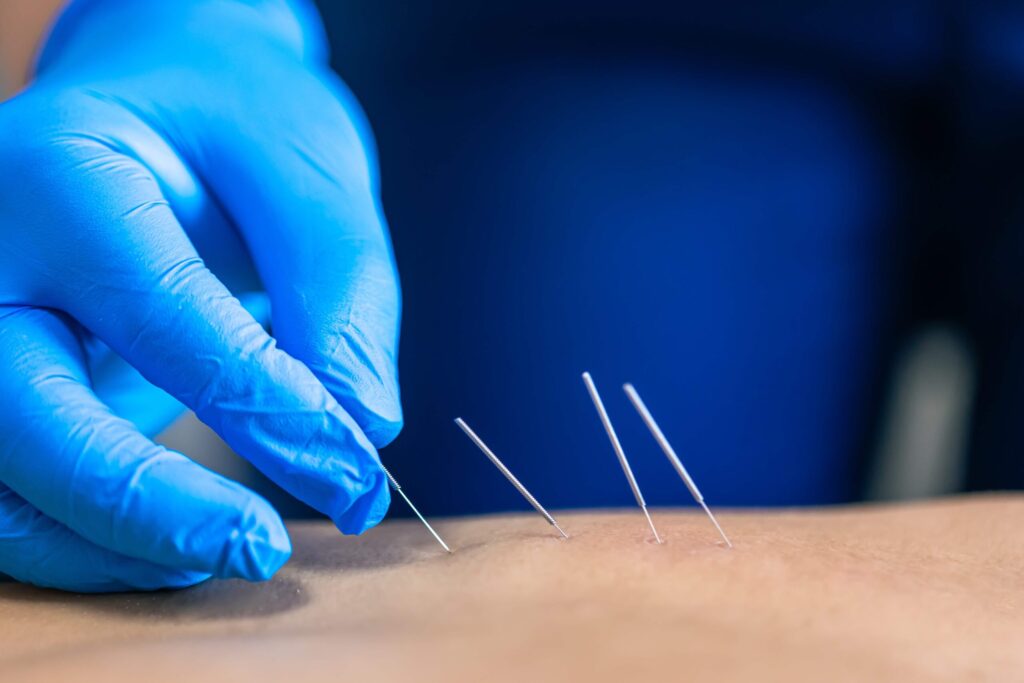
What is Dry Needling Therapy? Dry needling is an approach employed by physical therapists to alleviate pain or difficulties with movement. Dry needles or needles aren’t injectable or medicated, and are applied to specific regions of the muscle through the skin. The technique is known as trigger point dry needling or intramuscular manual therapy. Trigger points can be described as taut muscles that can become sensitive to individuals who contact the trigger points. They are typically found in muscles that are larger and can cause pain to many parts of your body if touched. Trigger point is treated using treatment with dry needling therapy in Houston, dry needles, or any other treatment. It is crucial to understand that dry needling doesn’t represent Acupuncture. It is one of the traditional Chinese medical practices that is performed by practitioners of acupuncture. However, dry needling has been incorporated into a lot of the modern Western methods of healing and is supported by research. If you’re experiencing mobility limitations or pain, dry needling could be a good option to treat it. Talk to your Houston dry needling therapist to establish if dry needling is the right treatment for you. How Does Dry Needling Relieve Chronic Pain? If you’re in the field of physical therapy, dry needling is a technique that is an essential part of any therapy plan. Why is it? Dry needling could help alleviate or reduce trigger points for the relief of pain or increase the range of motion. The research has also demonstrated dry needling to be a technique to lessen tension. The research shows that this technique reduces the tension of muscles and increases the function at the motor plate’s end. It is the point where nerve signals originate from the body and are transmitted to muscles. Dry needling can be the ideal method for increasing the speed of a person’s return to full rehab. There are several reasons your physical therapist might suggest dry needling Houston as an element of your treatment plan. It can help ease pain, reduce muscle tension as well as improve the performance of the muscles on the motor’s endplates. It can help you return to active rehabilitation. Dry needling could be an effective and healthy way to treat a wide range of diseases. If you are unsure whether or not dry needling is the right treatment for you, be certain to reach us! What Needles are Used in Dry Needling? The needles used to perform dry needling are tiny, disposable needles. They are sterilized and available in different sizes. The selection of the size and length will be affected by the depth of the trigger point of the tissue and the method for dry needling used. Superficial dry needling involves the introduction of a needle of between 10 and 15 millimeters within the tissues beneath. This can be done in conjunction with controlling the needle. Needles utilized for dry needling function similarly to the needles used in the practice of acupuncture. They are hard, filiform needles that can be inserted into the surface of your body. The length of time that the needle remains there is dependent on the level that you are experiencing the discomfort. It is feasible to have the needle in place for a brief period to ease the pain. It is possible to keep the needles for longer periods for relief from more pain. There are many kinds of needles that can be used in dry needling, based on the condition for which it is being addressed. The most frequently used type of needle is a thin, robust needle that is inserted into muscles. What Types Of Chronic Pain is Dry Needling Effective In Treating? Dry needling is an exercise therapy method using needles that activate trigger points in muscles. It’s a great option for treating various types of chronic discomfort. It is a good option for: Aches in the back Neck discomfort Headaches Migraines Fibromyalgia Myofascial pain syndrome One of the most common issues that dry needling may help is joint discomfort. It can be caused by disk and tendinitis. Dry needling is an excellent option for aiding with the treatment of migraines, tension headaches, and tension in addition to dental and oral conditions such as TMJ dysfunction. Whiplash, as well as other problems with movement, could also be treated by this method. Dry needling is a great option in the treatment of back problems. If you’re experiencing persistent pain, dry needling could be a good option for therapy. Make sure that you’ve discussed it is possible to discuss with your physical therapist to find out if this is the best procedure for you. Here are Some of the Benefits of Dry Needling Therapy: The Relief from the pain Dry Needling Therapy is the capacity to ease many ailments, including neck pain, back pain, along pain caused by injury. The needles used during this therapy aid in relaxing muscles and easing the pain. Improved Range of Motion Another benefit of dry needling therapy is improved mobility. It can loosen muscles and increase the range of motion. This is useful for athletes as anyone who wants to improve their range of motion. can perform. Reduced Muscle Tension Dry needling therapy can help in the reduction of muscle tension. It is also able to reduce muscle tension and ease. It also helps decrease anxiety. It is beneficial to sufferers of ailments such as anxiety and depression. Increased Blood Flow The needles used for dry needling therapy can also assist in increasing the flow of blood in the treatment area. The increased circulation of blood could help speed up healing and provide other benefits, such as reduced inflammation. Increased Relaxation Dry needling may help in increasing the degree of relaxation. This treatment helps reduce stress and increase the feeling of well-being. This therapy can be beneficial for people suffering from illnesses such as anxiety or depression. Pain Relief The most important reasons why patients seek dry needling therapy is for alleviation from the pain. The therapy helps to reduce suffering through the relaxation of muscles while also increasing circulation to the affected area. Reduced Inflammation The enhanced blood flow through dry needling therapy can also aid in reducing swelling. This
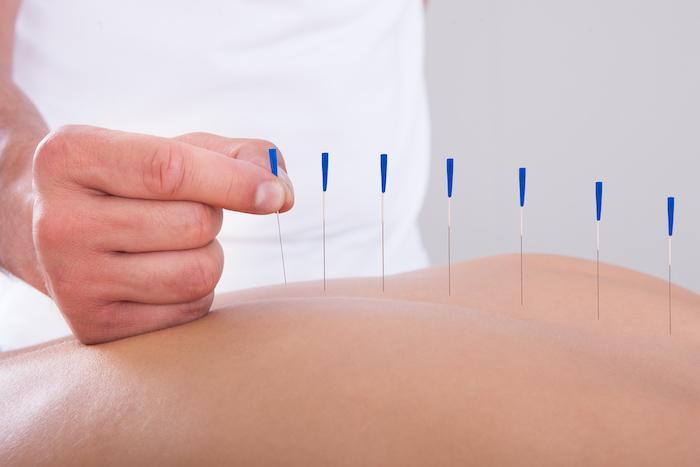
Everything You Need to Know About Dry Needling Therapy in Houston
In Advance Physical Therapy, We are dedicated to providing an array of the most cutting-edge techniques for physical therapy designed to assist our clients to attain and maintain an optimal level of wellness and health. One of our most popular and effective treatments is dry needling therapy in Houston. This is the most innovative and effective method for restoring muscle as well as pain relief and general improvement of physical performance. Our staff of highly skilled therapy professionals is committed to offering personal care and ensuring that every client receives the best quality treatment. What is Dry Needling? Dry needling is an innovative therapy technique that involves the application of sterile, thin needles placed in specific locations within the body to treat myofascial trigger points. They are painful spots that occur within the taut skeleton muscle fibers. They are often called ‘knots’ by patients. They may cause severe pain and interfere with the performance of the muscle. In contrast to acupuncture which is an ancient method of treatment that has its roots in the tradition of Chinese medical practices that focus on improving the flow of ‘qi’ meridians with energy dry needling has its roots in Western medicine. It’s primarily focused on the relief of muscular pain, lessening the tension in muscles, as well as boosting flexibility and functional performance. The art of dry needling is founded upon a thorough knowledge of anatomy, neurology, and physiology. It incorporates methods from the fields of sports medicine and physical therapy to treat neuromuscular disorders. As a scientifically backed approach, dry needling treatment Houston professionals rely on evidence-based research to guide treatments and ensure the most effective outcomes. Its goal is to improve function and accelerate recovery thus making it a useful instrument for athletes, people suffering from chronic pain, or those recovering from injuries. Targeting Myofascial Trigger Points Myofascial trigger points are tiny and easily identifiable nodules found in the muscles that may cause considerable discomfort. These tend to manifest as pain that is referred to as muscle stiffness and limited movement. The trigger points are typically created by muscle fatigue injury, or acute trauma, or ongoing stress that leads to the formation of contracting muscle fibers. Dry needling is specifically targeted at the areas of concern and helps to ease tension, eliminate trigger points, and boost circulation to muscles affected. This technique requires the exact insertion of needles into trigger points. This causes an immediate twitch. This reaction is vital as it aids in resetting the electrical activity of the muscle. This results in less pain and the return to regular functioning of the muscle. Sports athletes who have injuries, along with those who suffer from chronic pain or muscular tightness could greatly profit from this particular treatment. The treatment not only eases pain but also tackles the root cause of muscle malfunction, which promotes long-term recovery as well as performance improvement. Additionally, dry needling may be combined with other therapy techniques, including the use of manual therapy, therapeutic exercises as well as stretching, to improve the results of treatment. The therapists at Advance Physical Therapy are skilled in delivering a comprehensive dry needling service Houston patients can trust, using these strategies to create personalized treatment programs tailored to the unique needs of each individual. Conditions Treated with Dry Needling Houston Dry needling is extremely efficient in treating a variety of muscular and skeletal problems, providing considerable relief and improving the health for numerous patients. The most common problems treated using dry needling are: Muscle pain and stiffness In releasing muscles that are tight and disabling trigger points dry needling is a great way to ease the pain and increase mobility. Many patients experience immediate relief upon treatment and continued improvements throughout each session. This can be particularly helpful for patients suffering from ailments such as myofascial-muscular discomfort syndrome. This condition is characterized by persistent discomfort and tenderness of the muscles. Athletic Injuries Athletes benefit greatly from dry needling because it speeds up recovery from injuries, eases discomfort, and boosts overall performance. The most common sports-related injuries treated are muscle strains, tendonitis, and ligament strains. In addressing the root causes of the muscle’s dysfunction and injuries, athletes are able to experience a reduction in times of recovery and speedier return to their sport. Chronic Conditions Chronic Conditions can also be effective for dealing with chronic illnesses like tension headache, fibromyalgia, and chronic back pain. Through targeting trigger points in the myofascial system that cause those conditions, patients are able to get relief from chronic discomfort and pain. This can lead to improved function in daily life as well as quality of life. Postural Instabilities Many people feel pain in their muscles and discomfort because of poor posture. This is frequently exacerbated by sitting down and repetitive work activities. Dry needling may help to correct the imbalances in your body by loosening the muscles tight and improving muscle alignment. Involvement of the Nerve Conditions such as carpal Tunnel Syndrome and sciatica may get relief from dry needling because it helps decrease nerve compression by addressing the tightness of muscles and inflammation that surrounds the nerves affected. The Mechanism of Pain Relief The sensation of pain relief that can be obtained through dry needling is due to a variety of interconnected mechanisms. First, the action of the needle interrupts the pain-relief cycle inside the muscle. This provides instant relief. The process is accomplished by creating an immediate twitch that helps reset the malfunctioning electrical activity within the muscle. These results in muscles being less strained, while normal muscle function can be reinstated. In addition, the placement of the needle triggers the body’s natural mechanisms for relieving pain. Another mechanism that is involved is the release and release of endorphins. These are the body’s naturally produced painkillers. They help reduce the perception of pain and increase feelings of relaxation. Additionally, dry needling Houston may improve blood flow to the local area, aiding in the elimination of metabolic waste and providing important nutrients and oxygenation